

7 Bad Day of Fishing Is Better Than Shirt Slogans
Your blank fishing shirt has space for one line, and anglers already know the beginning: “A bad day of fishing is better than…” The opportunity is choosing an ending that gives the garment a clear personality. It might target people escaping stressful work, customers who value low-stress outdoor time, or print-shop owners who are tired of production problems.
The saying works because it doesn't depend on a successful catch. A recent review connected fishing with reduced stress, improved mood, and clinically meaningful decreases in PTSD symptoms among regular anglers, shifting the slogan's meaning from fish-catching to recovery time. That mental-health perspective is especially useful for apparel design, because the strongest shirt may celebrate the reset rather than the result.
Below are seven ways to finish the phrase. For each one, choose the emotional angle first, then match the wording with readable typography, a purposeful layout, and a DTF production approach that suits the garment.
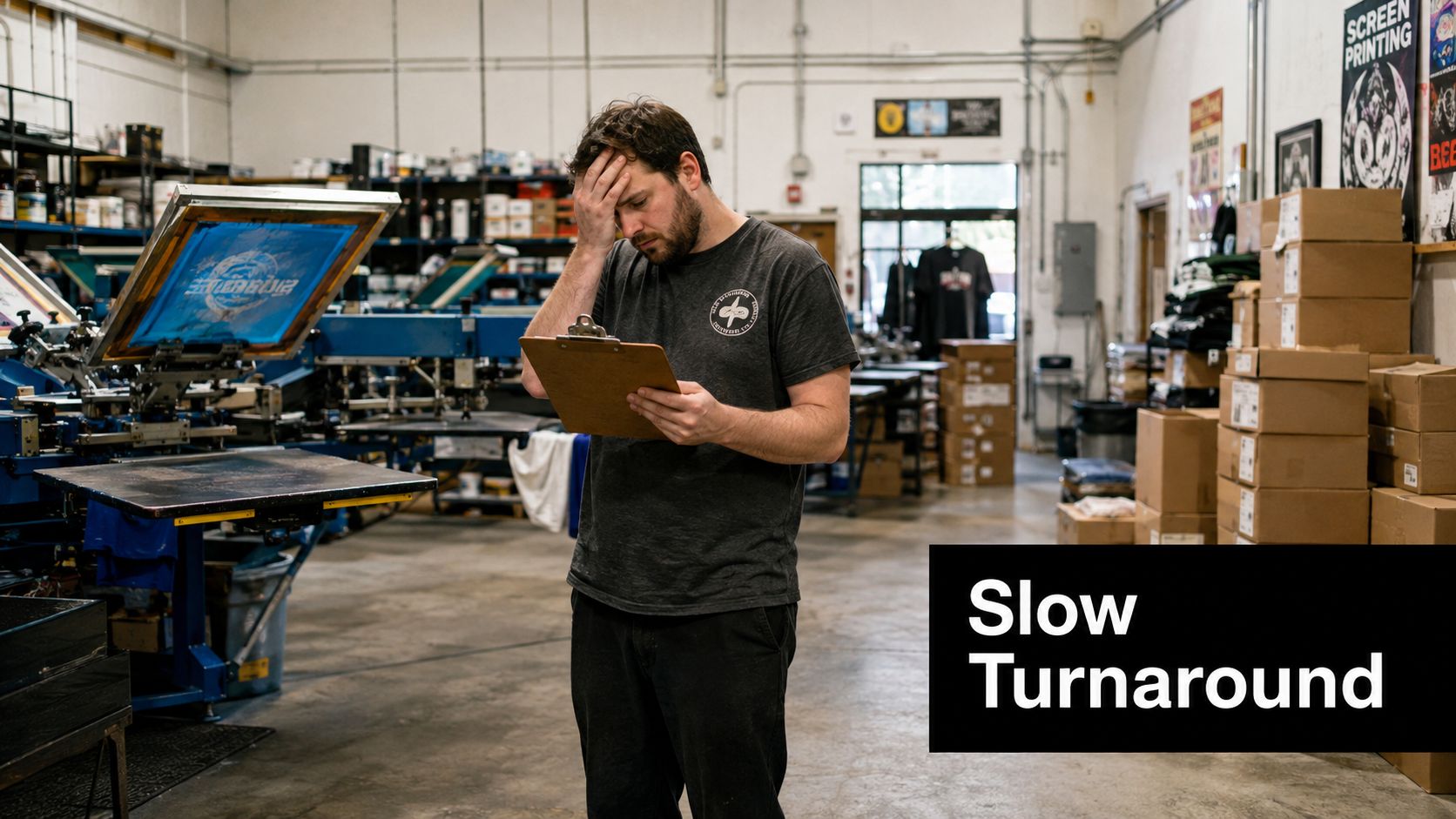
1. A Bad Day at Work in a Slow Print Shop
A bad day of fishing is better than a bad day at work is familiar, direct, and broad enough for almost any angler. For a print-shop owner, though, the line can carry a sharper private joke: a slow production day filled with delayed orders, rework, customer complaints, and a growing queue of unfinished shirts.
The design should feel slightly worn-in rather than corporate. Use a bold condensed sans serif for “bad day of fishing”, then place “better than a bad day at work” beneath it in a smaller but highly readable weight. A small fishing hook, rod, or empty tackle bucket can separate the two ideas without competing with the copy.
Build the contrast into the layout
A stacked composition works well on the front of a dark work shirt. Put the fishing phrase in an arched top line, center the comparison in the middle, and use a compact footer such as “Keep casting” only if the design still has breathing room. Avoid filling every open area. The humor lands faster when the viewer can read the main phrase from a short distance.
For a production business, the slogan can also serve as an internal culture shirt. It turns a shared frustration into something employees can wear without explaining the entire story. The practical answer isn't accepting slow fulfillment as normal. A shop can review its production efficiency improvement process, tighten quality checks, and identify where orders stall before they reach the press.
Use a high-opacity DTF transfer for strong contrast on cotton or cotton-blend garments. Keep fine distress textures limited, because tiny breaks in the lettering can make a long slogan harder to read after pressing.
2. Waiting for International Shipping and Customs Clearance
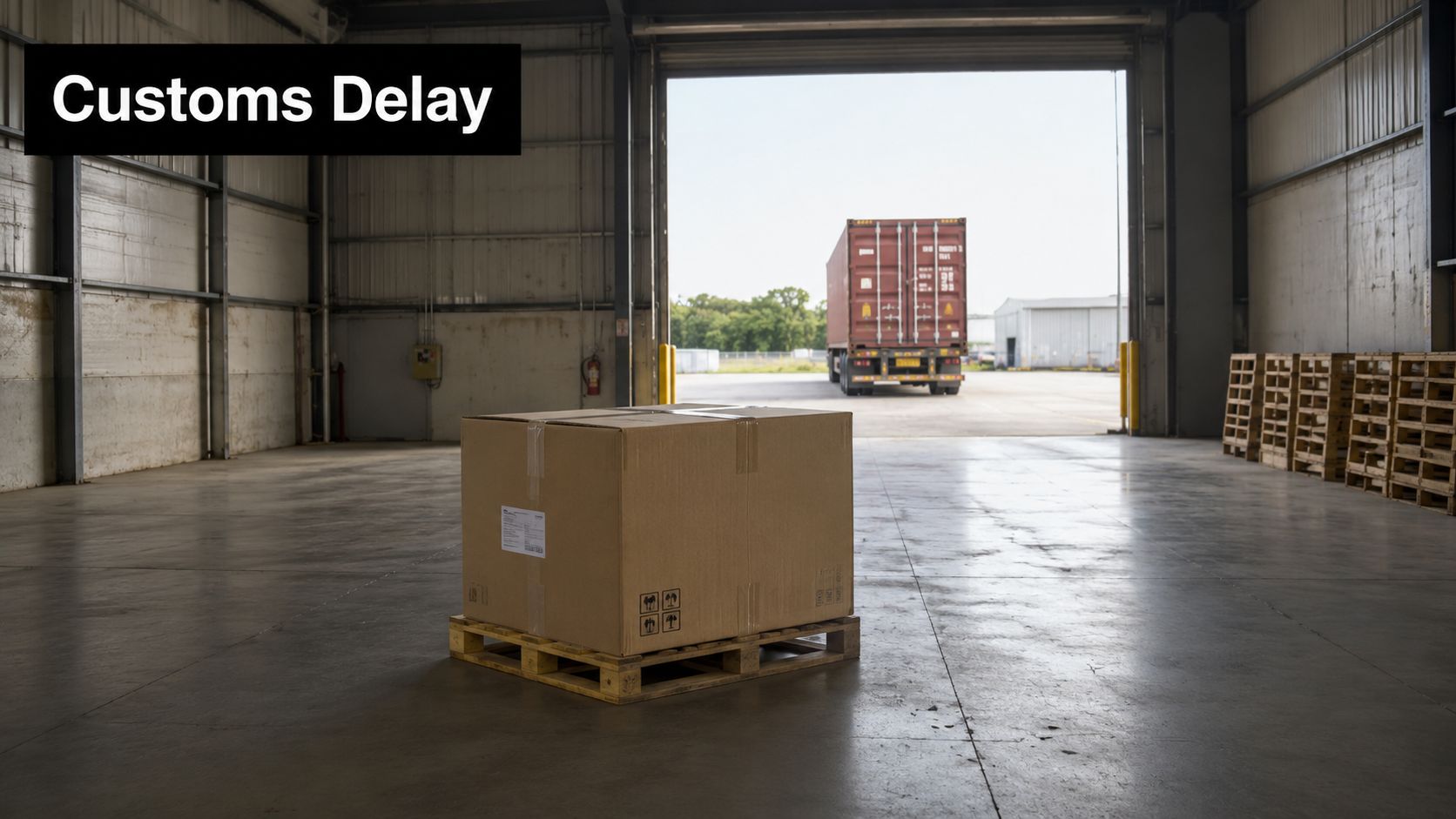
A bad day of fishing is better than waiting for international shipping speaks to a very specific business frustration. The angler doesn't need a perfect day on the water, and the apparel seller doesn't need a perfect supply chain. They need something more basic, predictable access to the materials required to fulfill an order.
This variation works best as a practical industry joke rather than a general fishing slogan. Put “A bad day of fishing” in large type and make “better than waiting for international shipping” the visual punchline. A small cargo box, customs stamp, or fishing float can reinforce the idea, but don't add so many icons that the shirt starts looking like a logistics diagram.
Give the last words visual priority
The phrase “international shipping” should be the largest part of the second line because it identifies the pain point for custom shirt makers and e-commerce sellers. A two-color design can make that phrase stand out, with the fishing reference in cream and the shipping reference in a high-contrast accent.
The operational message behind the joke is simple. Overseas orders can involve transit uncertainty, customs processing, and communication delays, so a supplier's listed price doesn't show the full cost of waiting. A business comparing options should account for delivery reliability, inventory pressure, and the risk of turning away rush work. This guide to international shipping delays can help frame that evaluation.
For a product-facing shirt, use clean typography and a small parcel icon. For an employee shirt, a larger distressed stamp reading “Delayed again” can make the design more playful. DTF is useful here because it supports detailed lettering and small shipping-themed graphics without requiring a large setup run.
A supplier comparison should also distinguish route planning versus label software. Those tools solve different problems, and neither replaces a dependable source for production materials.
3. Dealing with Inconsistent Color Quality and Fade Issues
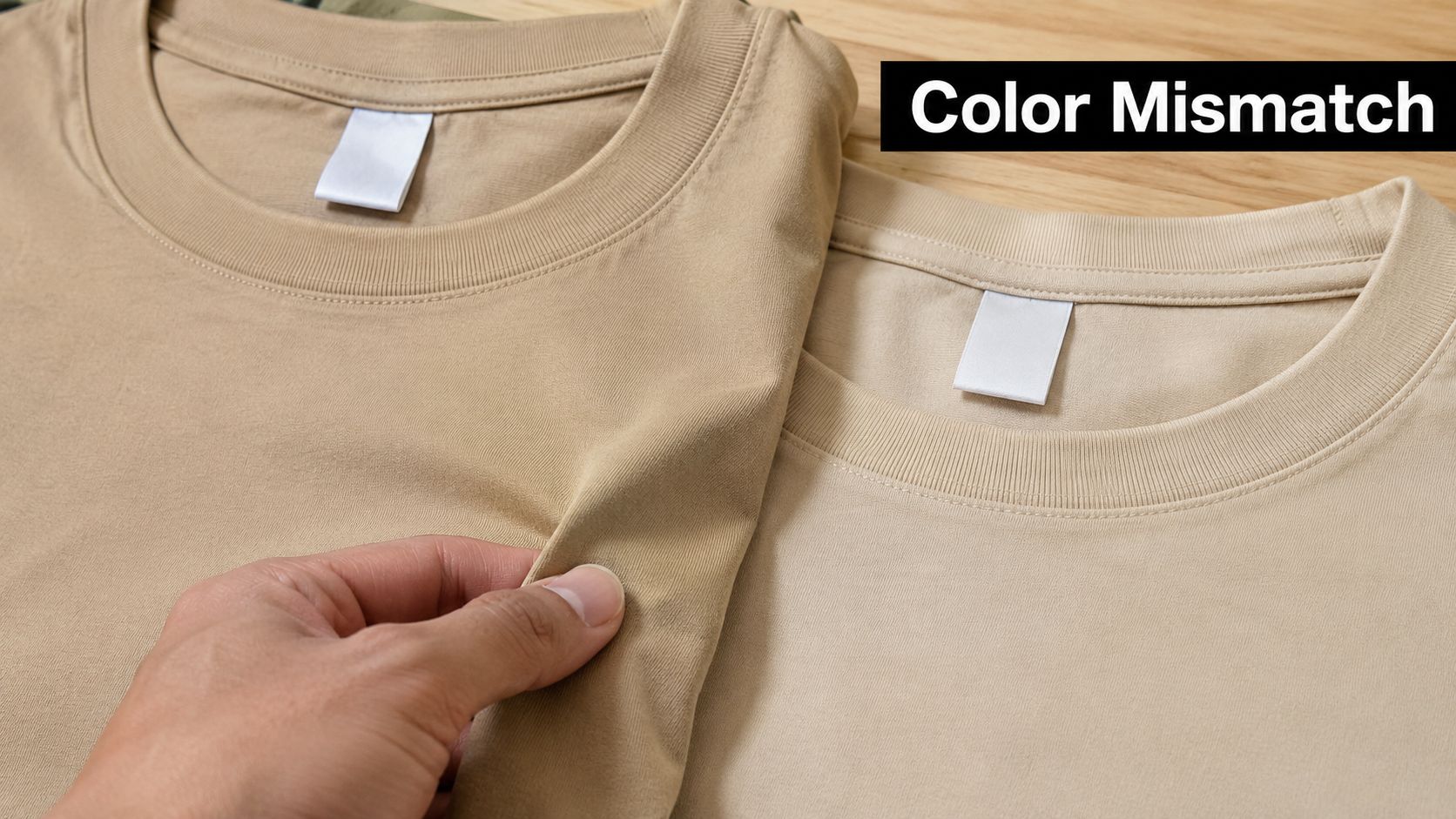
Some slogans need a laugh. This one can make a quality promise feel memorable: A bad day of fishing is better than a bad batch of transfers. The phrase targets apparel businesses that have received colors unlike the approved artwork, inconsistent finishes, or transfers that don't hold up as expected.
Color is the central design element, so don't bury the idea under decorative graphics. Show the contrast with two simple fish silhouettes in different tones, or use a split layout with “approved” on one side and “close enough” on the other. The copy should remain the hero.
Make the joke visually precise
Choose a sturdy geometric sans serif for the main wording. A narrow secondary font can label the two color samples, but the labels must remain large enough to read on fabric. Avoid relying on subtle beige differences or low-contrast neutrals. A shirt design about color mismatch should demonstrate unmistakable separation between its own ink colors.
The business context matters because a failed transfer can lead to rework, replacements, and difficult customer conversations. A custom printer can reduce surprises by testing samples, checking artwork files, and reviewing color-management practices before committing to a larger production run. An explanation of ICC profiles is a useful starting point for understanding how color information moves between devices and workflows.
Use a sample-first production approach for a design with many gradients or skin tones. DTF can reproduce detailed artwork, but the finished shirt still depends on the source file, transfer quality, press settings, garment color, and application process. For the slogan itself, a two- or three-color graphic will usually communicate more clearly than a complicated photographic treatment.
The best audience is a print professional, decorator, or quality-conscious apparel brand. The shirt becomes a conversation starter about consistency, not merely a fishing pun.
4. Struggling with Narrow Operating Margins and High Costs
A bad day of fishing is better than a bad day of chasing margins has a different rhythm from the traditional office version. It speaks to the owner who spends the day comparing supply costs, calculating rework, adjusting prices, and wondering whether a low quote will leave enough room to operate.
This wording is strongest when the design feels like a vintage fishing-club emblem. Use a circular badge with “Bad Day of Fishing” across the top and “Better Than Chasing Margins” along the bottom. A simple fish, calculator, or crossed-out price tag can sit in the center. That composition gives the shirt a finished identity instead of making it look like plain text placed on a blank garment.
Let typography show the pressure
Use a wide slab serif or bold collegiate font for the main badge. Set “chasing margins” in a contrasting condensed face, perhaps with a slightly tighter line spacing to create visual tension. The first phrase should feel relaxed and spacious. The financial phrase can feel denser, reflecting the pressure it describes.
The numbers that matter to a business aren't limited to the transfer's listed price. Owners should consider shipping, tariffs, waste, replacements, equipment time, and the labor required to correct defects. Product data metrics for brands can help a business organize the information it uses to evaluate product performance and purchasing decisions.
For DTF production, a badge with thick outlines and solid fills is a dependable choice. Use a transfer size that leaves a clear margin around the design, especially on heavier garments where a crowded print can feel stiff. A warm cream transfer on navy, forest green, or faded black will support the heritage fishing aesthetic while keeping the slogan legible.
This version suits print-shop owners, apparel manufacturers, and sellers who want industry humor without making a direct complaint about a particular supplier.
5. Missing Rush Orders and Disappointing Customers
A bad day of fishing is better than missing a rush order turns a familiar saying into a customer-service warning. The line is funny because fishing can be disappointing without damaging a buyer relationship. A missed event deadline can affect a customer's plans, reputation, and willingness to order again.
Use the slogan for a shop team shirt, a decorator's social post, or apparel aimed at business owners who understand the pressure of last-minute work. The visual style should be urgent but not chaotic. A fishing rod bent under tension can form a frame around the text, while a small calendar or clock icon makes the deadline reference clear.
Design for fast reading
Break the sentence into three levels:
- Largest: “Bad Day of Fishing”
- Middle: “Better Than”
- Accent line: “Missing a Rush Order”
That hierarchy lets someone understand the joke while walking past the shirt. Keep the accent line in a contrasting color, but don't reduce it so far that the key phrase becomes unreadable.
Production choices should support the same promise of speed. A shop can maintain a practical buffer of popular transfers, communicate realistic turnaround expectations, and confirm artwork before accepting urgent work. Suppliers offering same-day shipping on qualifying orders and guaranteed 1-3 day delivery can give businesses more room to handle time-sensitive requests, provided the order terms match the customer's actual deadline.
A clean DTF transfer is well suited to this design because it can combine bold type with a detailed clock or calendar graphic. Use a vector-based layout with thick strokes, and avoid hairline outlines that may disappear against textured garments. A bright orange or yellow accent can suggest urgency, but a neutral two-color version will be easier to apply across different shirt colors.
The strongest customer-facing version might replace “missing a rush order” with “missing your deadline.” That adaptation shifts the audience from decorators to the customers who buy event apparel.
6. Environmental Concerns and Eco-Conscious Business Challenges
A bad day of fishing is better than a bad day of ignoring sustainability gives the phrase a values-driven direction. It works for an eco-conscious apparel brand, a conservation fundraiser, or a print business that wants its clothing to reflect concern for clean water and responsible production.
The slogan should feel calmer than the previous versions. Use organic lettering, a flowing fish illustration, and a restrained palette inspired by water, reeds, stone, and soil. A hand-lettered “Bad Day of Fishing” can sit above a clean sans-serif line reading “Better Than Ignoring Sustainability.” The contrast between informal and modern type keeps the message approachable without making it sound like a corporate policy statement.
Connect the words to the garment
A sustainable message needs more than a leaf icon. The design can include a small line about mindful production, transparent materials, or reduced waste, as long as that supporting copy remains secondary. Don't make environmental claims about the finished product unless the materials and process support them.
For a print business, supplier questions should include ink and film sourcing, material composition, packaging, waste handling, and the information available to customers. USA-sourced inks and films may be relevant to a brand's sourcing story, but the business should communicate only what it can verify for the specific product and order.
Use DTF for a compact, low-clutter design that avoids unnecessary layers of decoration. A single strong illustration and clear type can reduce visual excess while preserving the shirt's appeal. Consider a natural or muted garment, then test the transfer so the colors remain readable without relying on a bright white background.
The audience here values the emotional meaning behind fishing. A 2026 fishing participation report noted that dissatisfaction can involve unclean waters, discomfort outdoors, crowded locations, and gear costs, so a wellness and stewardship message can feel more current than a catch-focused design. The report's findings support a broader view of what anglers value when they choose time on the water.
7. Unreliable Supplier Relationships and Lack of Support
The phrase “A bad day of fishing is better than asking your supplier for help” is the most conversational variation in the group. It fits a shirt for custom printers, small apparel businesses, and makers who know the frustration of receiving incorrect transfer specifications, finding a defective batch, or waiting for technical answers. For more on creating effective list-based content, see these AI listicle examples for sales.
Use a relaxed, almost handwritten treatment. Set “Bad Day of Fishing” in a friendly script or casual brush font, then place “Better Than Asking Your Supplier for Help” in a plain, bold sans serif. The contrast creates the joke: fishing feels personal and familiar, while supplier support sounds bureaucratic and tiring. A stacked layout can give the longer second line enough width without shrinking it until the punchline becomes difficult to read.
Use a dialogue-like composition
A fish-shaped speech bubble can ask “Need help?” while a smaller bubble from the business owner replies “Still waiting.” Keep both bubbles compact, so they reinforce the slogan instead of competing with it. A vintage help-desk badge, with a fish replacing the headset icon, offers another route for workwear or shop merchandise.
The production details should match the complaint. A DTF supplier should provide clear artwork templates, specific press temperature and time settings, and direct access to a technician who understands transfer adhesion issues. Before a large order, test whether the supplier gives a precise answer about film handling, curing, pressing, or a transfer that fails to bond correctly.
Cobra DTF is a relevant example for buyers seeking a USA-based, family-owned supplier with direct customer support, USA-made products, and a satisfaction guarantee. Those details matter to custom shirt makers because accountability affects the quality of the complete workflow. A vibrant transfer cannot resolve a production problem if the buyer has no practical way to obtain guidance.
For DTF production, use bold lettering and a limited graphic palette. Small speech-bubble text may require a larger transfer than expected, so check viewing distance before approving the artwork. The punchline should read across a shop or event space, not only in a close-up product photograph.
Bad Day of Fishing vs 7 Print Shop Challenges
| Scenario | 🔄 Implementation Complexity | ⚡ Resource Requirements & Speed | ⭐ Expected Outcomes (Quality) | 📊 Ideal Use Cases | 💡 Key Tips |
|---|---|---|---|---|---|
| A Bad Day at Work in a Slow Print Shop | High, manual workflows, bottlenecks, frequent rework | High resource use and waste; slow turnaround (5–7+ days) | Low consistency; customer complaints and lost revenue | Small shops using outdated DTF or slow screen-print processes | Switch to domestic DTF, implement QC, track production metrics |
| Waiting for International Shipping and Customs Clearance | Moderate, complex logistics and customs variability | Very slow (2–4 weeks); ties up inventory and working capital | Unpredictable fulfillment; higher total costs | Businesses sourcing supplies overseas or chasing low unit costs | Partner with domestic suppliers, adopt JIT, calculate tariff TCO |
| Dealing with Inconsistent Color Quality and Fade Issues | Low procedural complexity but poor QC controls | Requires rework, sample testing, and higher material waste | Poor color fidelity and durability; reputational damage | Apparel brands and custom makers needing color-critical prints | Request samples, require quality guarantees, use premium USA inks |
| Struggling with Narrow Operating Margins and High Costs | High, pricing pressure, inefficient processes | High per-unit costs and reduced throughput, eroded margins | Low profitability; difficulty competing on price | Small e-commerce and print shops operating on thin margins | Calculate total cost of ownership, compare domestic pricing, negotiate volume discounts |
| Missing Rush Orders and Disappointing Customers | High, lack of process flexibility for rush fulfillment | Very low speed for rush needs; costly expedited shipping | Lost orders, negative reviews, reduced customer lifetime value | Businesses competing on fast turnaround and event-driven orders | Maintain safety stock, partner with same-day shippers, use real-time tracking |
| Environmental Concerns and Eco-Conscious Business Challenges | Moderate, requires transparency and compliance efforts | May require higher-cost sustainable materials and tracking systems | Brand differentiation if managed; risk of greenwashing if not | Brands targeting eco-conscious consumers or facing regulation | Source USA-made eco materials, document practices, reduce production waste |
| Unreliable Supplier Relationships and Lack of Support | High, communication barriers, poor accountability | Slow issue resolution; internal resources needed for fixes | Operational vulnerability; unresolved quality and fulfillment issues | Businesses needing dependable support and fast problem resolution | Prioritize domestic partners, test responsiveness, request dedicated account management |
Choose the Phrase That Fits the Product
The best completion depends on who will wear the shirt and what the garment needs to accomplish. “A bad day at work” is broad and giftable. “Waiting for international shipping” speaks directly to decorators and e-commerce operators. “A bad batch of transfers” suits quality-focused production teams, while “missing a rush order” turns deadline pressure into a customer-service joke.
Start with the audience, then choose the visual voice. Anglers usually respond to relaxed lettering, recognizable fish imagery, and an easy-to-read statement. Print-shop owners may prefer sharper contrast, production references, and humor that rewards industry knowledge. Eco-conscious customers need a design that feels thoughtful rather than opportunistic, with supporting claims that the business can substantiate.
The wording should control the hierarchy. Make the emotional setup prominent, then give the comparison or punchline enough size to read at the intended viewing distance. A shirt that looks perfect in an online mockup can become difficult to scan when the transfer is too small, the garment is heavily textured, or the type uses thin strokes.
Before ordering, review these production decisions:
- Garment color: Confirm that the transfer has enough contrast against the specific shirt, not merely a generic black or white sample.
- Transfer size: Measure the printable area and preserve comfortable space around the artwork.
- Typography: Test the full slogan at actual size, especially the longest endings.
- Artwork detail: Remove fragile hairlines and overly small decorative elements.
- Order timing: Match the supplier's production and delivery terms to the event or launch date.
- Quality review: Approve a sample when color accuracy, gradients, or detailed illustrations matter.
Fishing participation remains commercially relevant. NOAA reports that recreational fishing and the seafood industry supported $319 billion in total sales impacts and 1.7 million full- and part-time jobs in the United States in 2023, so fishing-themed apparel can serve a substantial audience beyond occasional novelty buyers. At the same time, participation is selective. Recent reporting noted 57.9 million U.S. fishing participants in 2024, along with 16.6 million anglers who churned out and only 32% fishing once a month or more. That makes the low-stress, emotionally restorative angle especially useful. A shirt doesn't have to promise a great catch. It can promise a better day.
For production, Cobra DTF offers a USA-based option for vibrant, fade-resistant transfers, with same-day shipping available for qualifying orders placed by 1 PM CST and guaranteed 1-3 day delivery. Review your audience, garment color, transfer dimensions, and deadline before you place the order. The right slogan becomes much more effective when the type is readable, the layout has a purpose, and the supply chain won't undermine the promise printed on the shirt.
Cobra DTF provides USA-made DTF transfers with vibrant colors, eco-conscious USA-sourced inks and films, same-day shipping on qualifying orders, and a satisfaction guarantee. Visit Cobra DTF to choose a dependable transfer partner for your fishing slogan apparel and time-sensitive custom shirt orders.